What’s the Ecological Cost of Your Coffee?
Coffee can harm the planet. What that damage looks like, and how to enjoy coffee with less of it.
A consideration for many of us when choosing coffee is the environmental impact, especially now that the impact of climate change is becoming more and more apparent (looking at you, UK Summer 2026…) Like you, we find it frustrating to feel like we have little control over what’s happening to the environment, and more so when companies aren’t transparent about what their impact really is.
The coffee industry as a whole, unfortunately, does cause some damage. For a start, many hugely commercial coffee producers rely heavily on chemical fertilisers and pesticides. These substances produce greenhouse gases, and the runoff from them can pollute water, harm wildlife, and damage the natural ecosystems. Even if you buy organic coffee, large plantations often cause deforestation.
But, coffee is such a huge part of our lives, and you still want to enjoy it, right? Us, too. In fact, we enjoy our coffee even more now, knowing that producing it does the opposite of all this. That’s why we call it biocoffee: Coffee that improves life. Life of the environment and of people.
For a farmer to grow biocoffee it needs to implement a variety of bioagricultural concepts into his own coffee farm. One of these important concepts is the utilisation of shade.
Most industrial coffee farms don’t have the natural environment that favours shady conditions, which is why “sun grown” coffee is the most widely available. Sun grown coffee can be produced in larger quantities, as an area of land can be cleared (read: deforested) and seedlings planted under direct sunlight. The plants grow more quickly, leading to a quick, high yield, and high profit. It’s less labour intensive, less expensive, and much, much less ecological.
Shade grown coffee allows coffee plants to thrive in their natural habitat. A range of different plants and trees provide the shade, humidity and protection that the coffee needs. Most importantly, the maintenance of the natural environment preserves the ecosystem and biodiversity, and protects the soil in which all these plants flourish, reducing the need for chemical fertilisers and weedkillers.
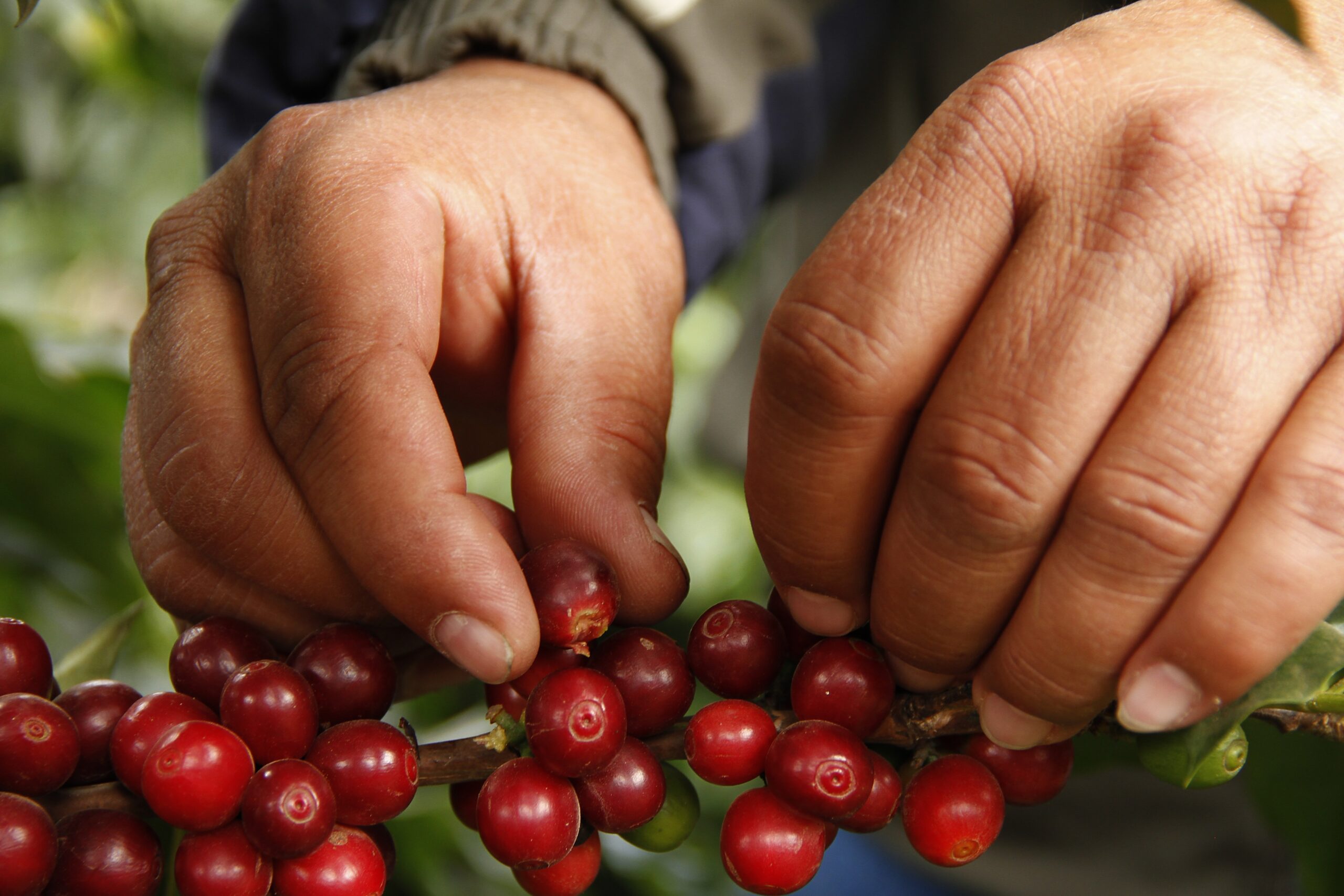
So, shade grown coffee is immensely more beneficial for the environment. But how does it affect the coffee’s flavour? Well, this turns out to be an additional benefit for the drinker. Under a shade canopy, the coffee cherries which house the unripe coffee beans grow more slowly, allowing more time for the compounds which determine flavour to develop. This leads to a more complex, smoother, sweeter, and better balanced coffee.
There is one final point to be made on the subject of shade vs. sun grown coffee: we mentioned earlier that sun grown coffee is less labour intensive and less expensive. So, is shade grown coffee a disadvantage for the farmers? In the long run, no. Shade grown coffee farms are actually more sustainable, as the coffee plants can go on producing coffee for a longer period of time. The harvesting season is longer, and the soil does not require a recovery period, nor the trees replanted. Finally, at the other end of the line, the consumer typically pays more for a bag of shade grown coffee beans, supporting the livelihoods of the producers, knowing that their product is supporting biodiversity rather than destroying it.
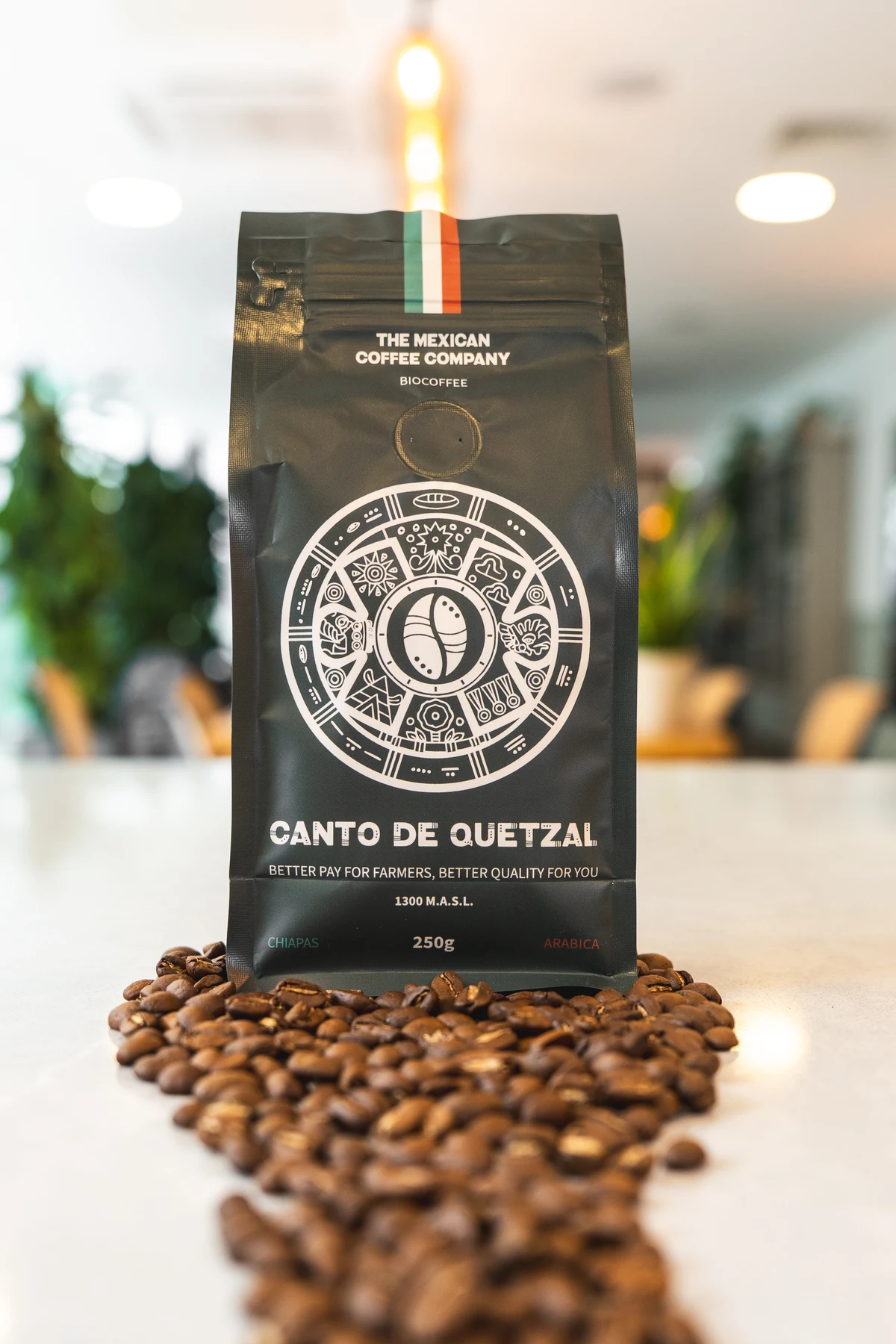
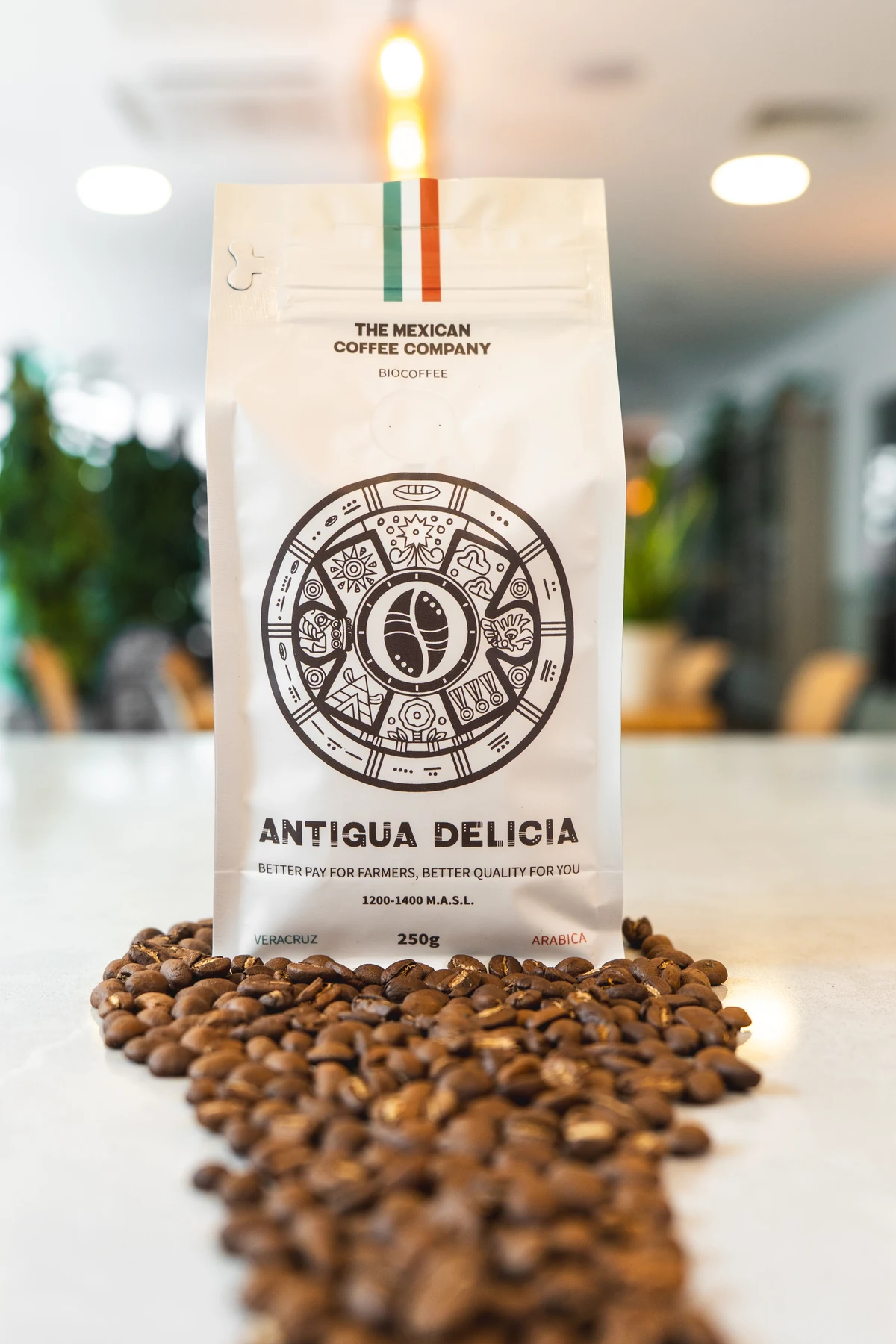
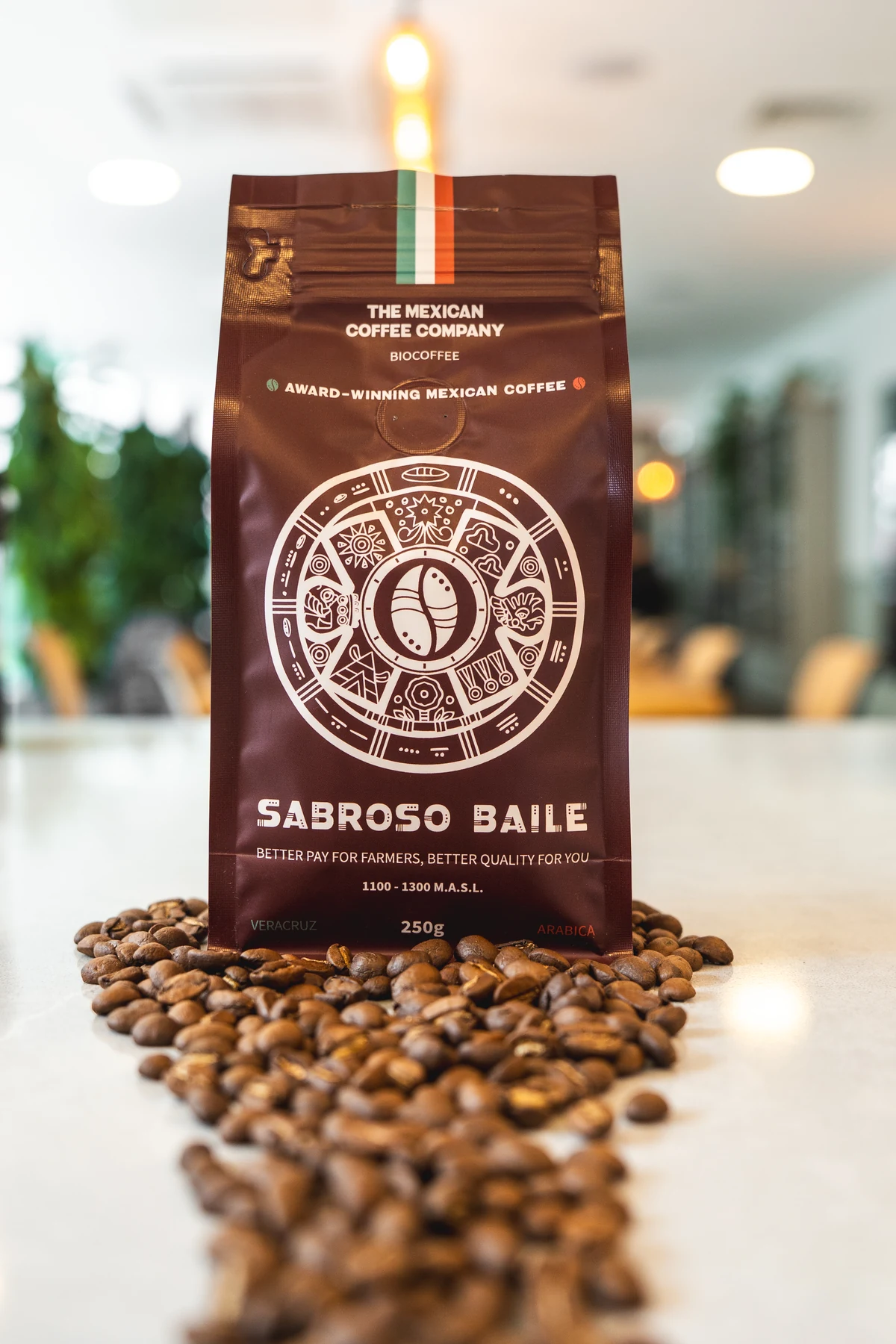
At The Mexican Coffee Company, what we do is based in human and environmental development. We are not just about buying and selling coffee. We have taken the time to build personal relationships with the farms that grow our coffee, ensuring we only retail coffee that goes above and beyond “fair trade”, and raises the bar for sustainable practices. The farmers we collaborate with are true experts in their environment, their coffee, and are leading the way in the implementation of scientific, biological processes to support this symbiosis.
Explore The Mexican Coffee Company blog articles to learn more about our Above Fair Trade pricing approach, how our coffee benefits the environment, and why we call it Biocoffee.
Drink Different. Live Different.
The Mexican Coffee Company